the storm ends before the repair begins
The argument ends, the message is sent, or the apology arrives.
Then the noise goes quiet. What remains is harder to name. The event has passed, but the person who lived through it is still standing among the pieces, deciding what can be lifted and what must be left where it fell.
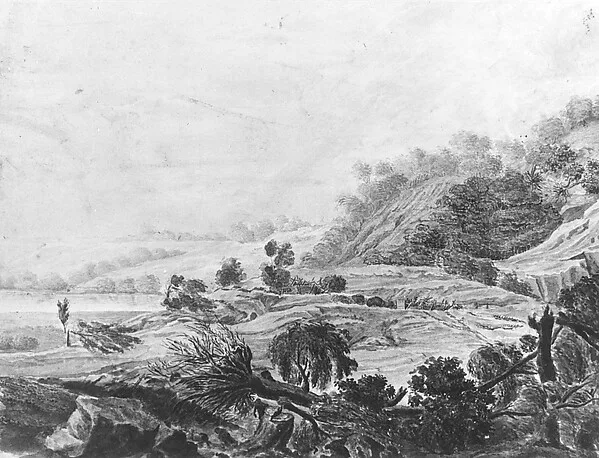
Pavel Petrovich Svinin’s After the Tornado shows this moment. The dark weather has moved on, but the land is still changed. Scattered trees and broken forms remain across the ground, and people appear small inside the damaged landscape. The storm ends before the repair begins.
The person who caused the hurt may remember the apology as the moment everything was addressed. They said they were sorry. You accepted it. The conversation ended. From their side, the worst part may seem finished.
You may still be living with the weather inside you. You may choose your words more carefully, notice the silence after a message, or be learning which parts of yourself feel safe to bring back into the room. That work is not always visible, and the person who apologized may never see how many small decisions it takes to feel steady again.
Forgiveness can happen in one clear moment. Recovery usually moves more slowly. You can forgive someone and still feel hurt, accept an apology and still need distance, or stop seeking revenge without pretending that trust has returned.
Forgiveness is not always a bridge back to what existed before. Accepting an apology is not a contract. It does not mean you must answer every call, share every thought, or return the person to the exact place they held in your life before the hurt.
The scattered boards are still scattered. The ground is still wet. You are allowed to take stock before lifting anything. Boundaries are part of the repair, and sometimes the first repair is the relationship you have with your own judgment.
After being hurt, people sometimes doubt their own judgment. They wonder whether they overreacted, expected too much, or should have seen the harm sooner. You are allowed to learn from what happened without turning the blame inward. You are allowed to believe someone is sorry and still say that closeness has to change.
An apology names what happened, and repair is the longer work of making that sentence true. The person who caused the damage may remember the day they said they were sorry. The hurt person may remember the weeks, months, or years of learning how to live differently afterward. Both memories can be honest. They are not the same memory.
Recovery is often ordinary. It is sleeping through the night. It is laughing without checking whether you are allowed to. It is trusting your own no.
The weather may have passed, but the ground still needs time. You are allowed to take that time before deciding what, if anything, can grow there again.
Pavel Petrovich Svinin, After the Tornado , 1811–ca. 1813, watercolor, gouache, and graphite on off-white wove paper, The Metropolitan Museum of Art, Open Access. View the artwork at The Metropolitan Museum of Art .